Redefining Cultural Norms In the Beauty Industry: Fenty Beauty
You have probably noticed that makeup is not the same as it was 10 years ago.
There was a pronounced lack of diversity in 2016, when beauty gurus dominated the YouTube cosmetics world.
When Jeffree Star and Nikki Tutorials, both members of the community, gave positive reviews of a product, their audiences of color were unable to experience the joy, as the companies did not offer a shade match.
A Game-Changing Launch in 2017
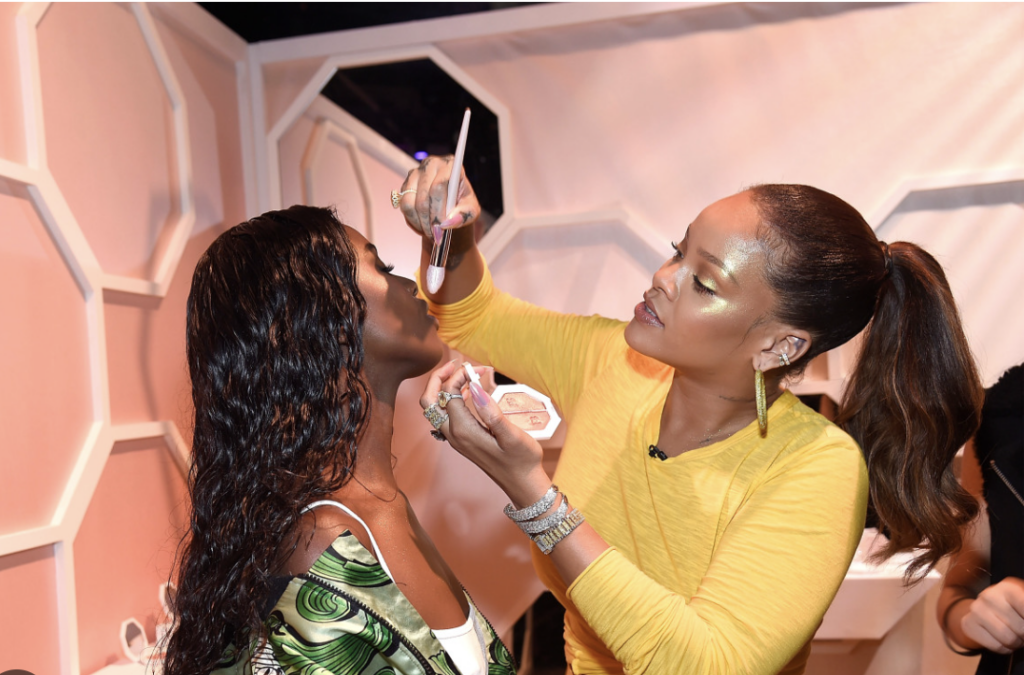
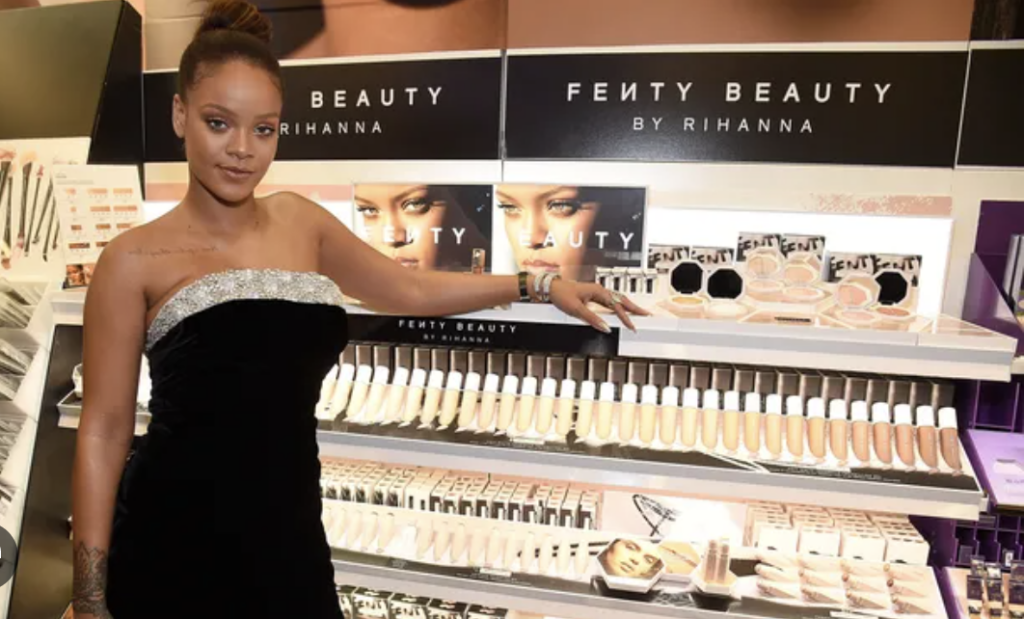
In 2017, the beauty industry shifted with the launch of Singer-Songwriter Rihanna’s makeup brand, Fenty Beauty.
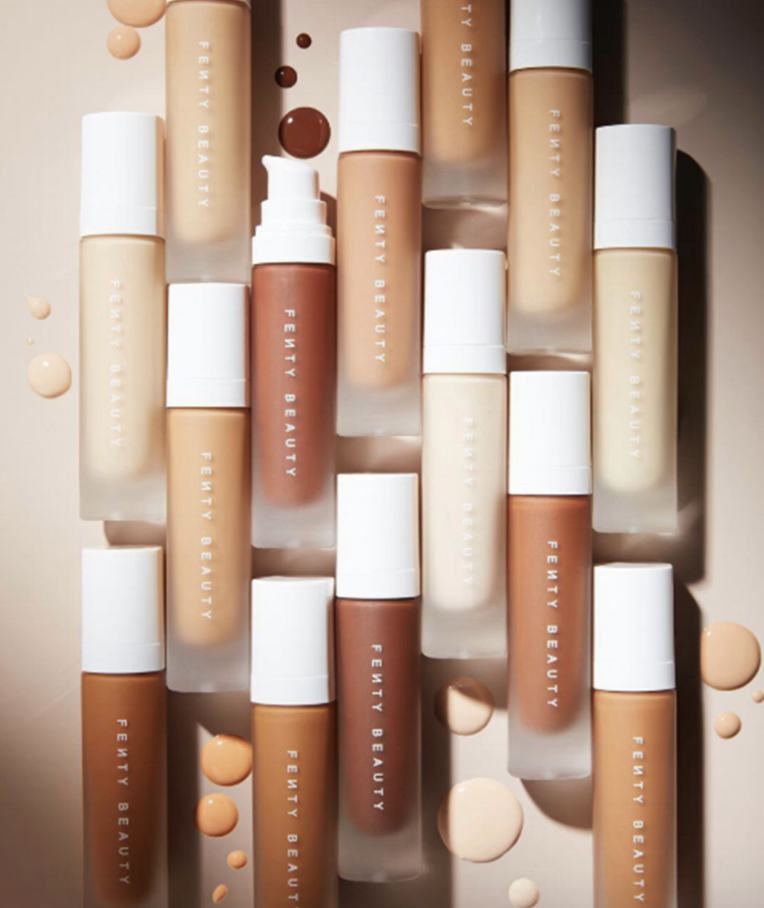
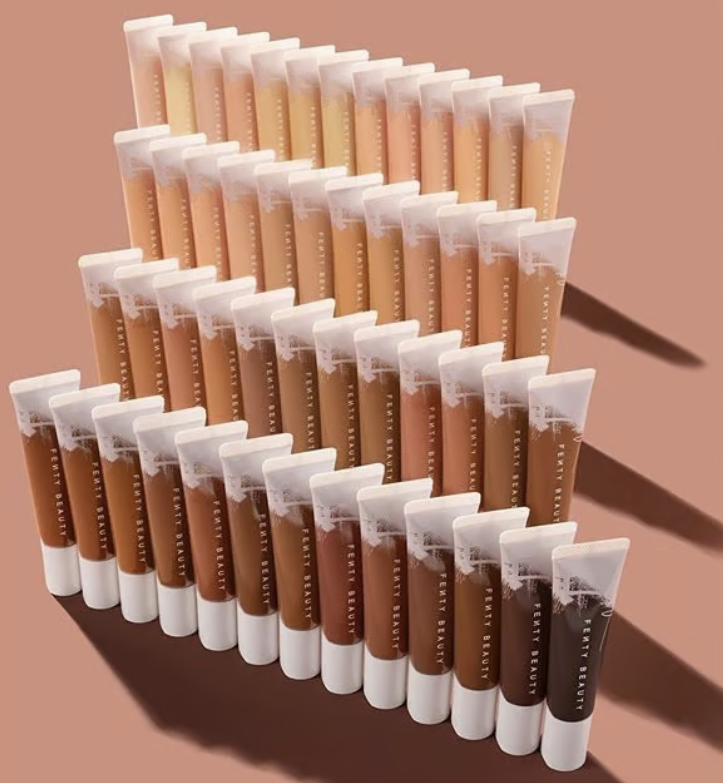
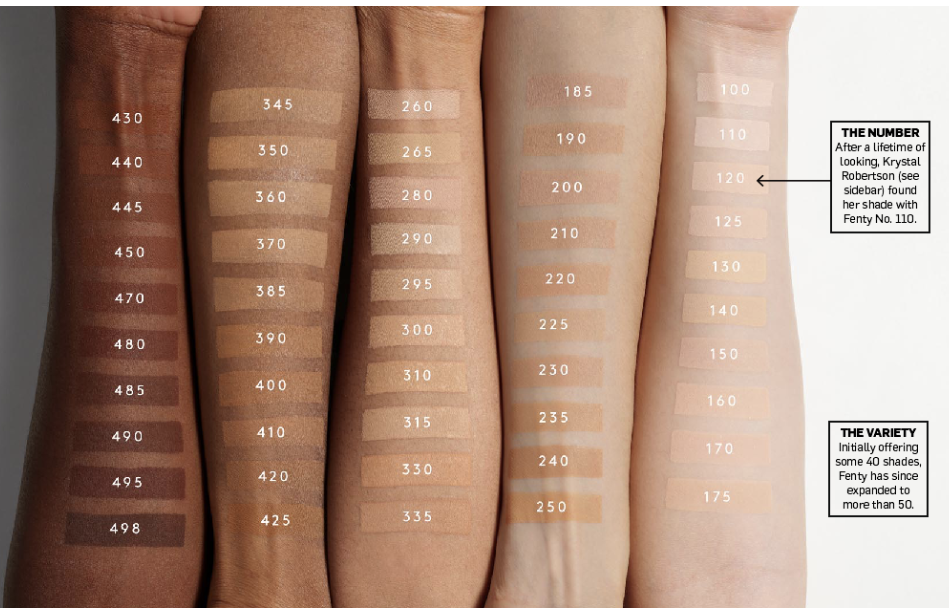
For the first time in history, a cosmetic company released 40 different shade ranges and redefined standards in the industry.
Consumers no longer needed to purchase multiple shades from different brands to find their match. Fenty Beauty set the standard and influenced others to change.
Not only did Fenty Beauty pave the way for inclusion in the beauty industry, but it simultaneously opened doors for minorities within their marketing campaigns.
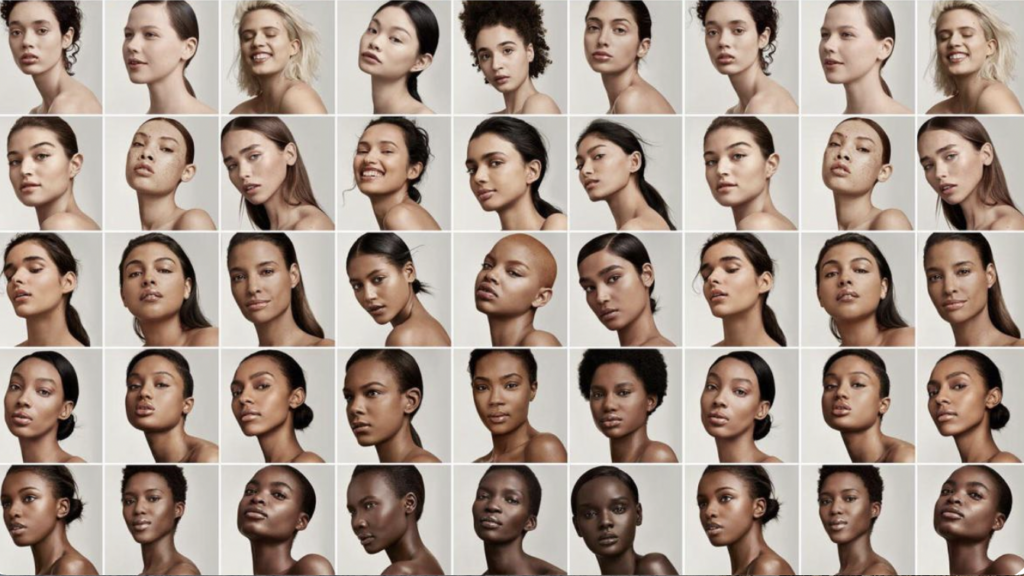
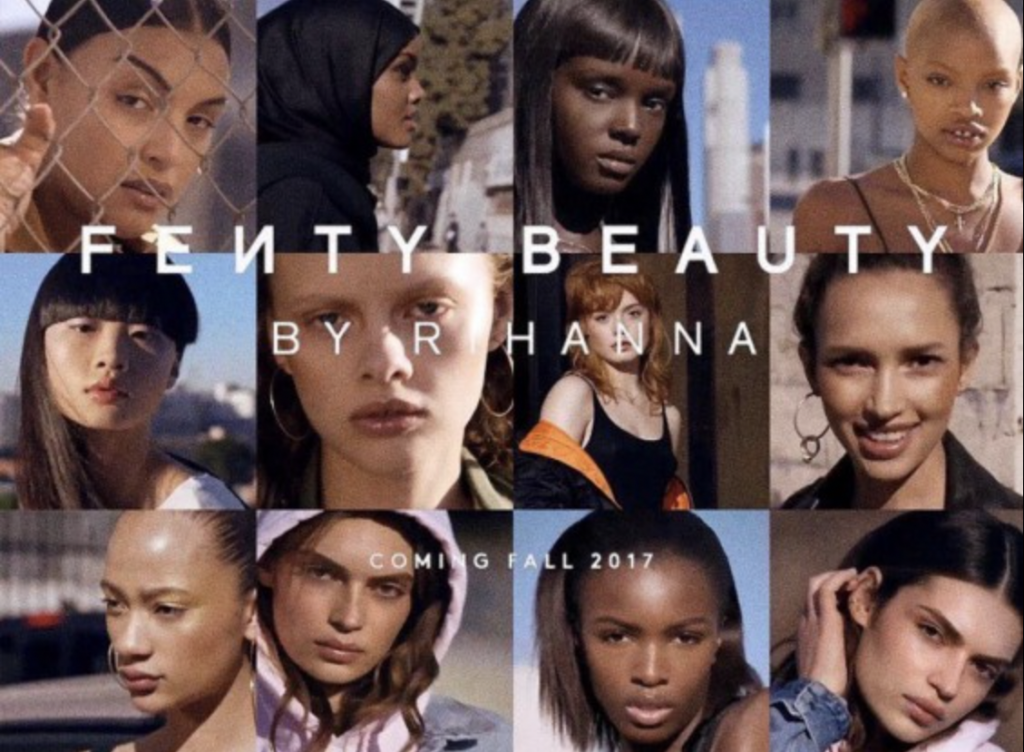
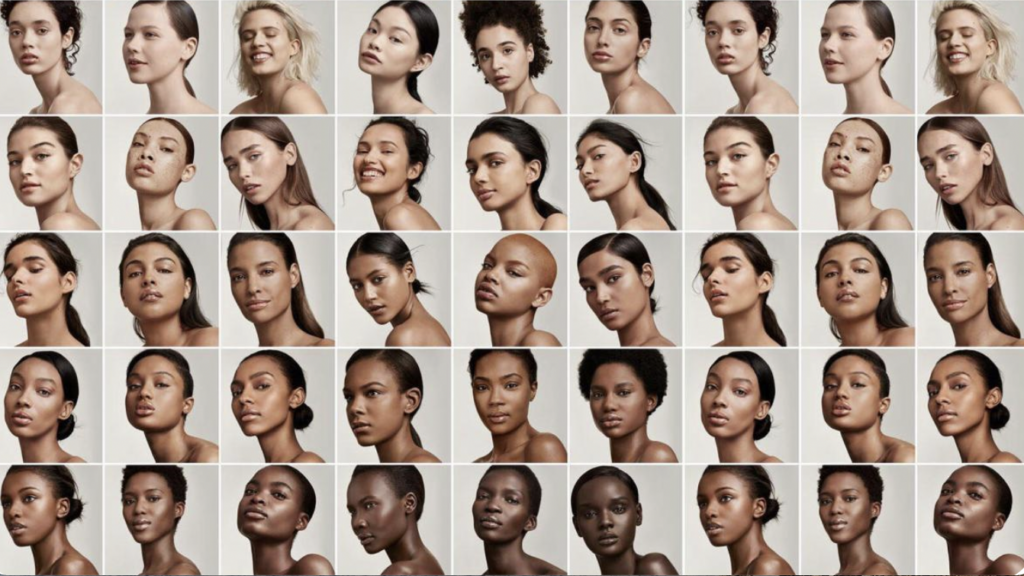
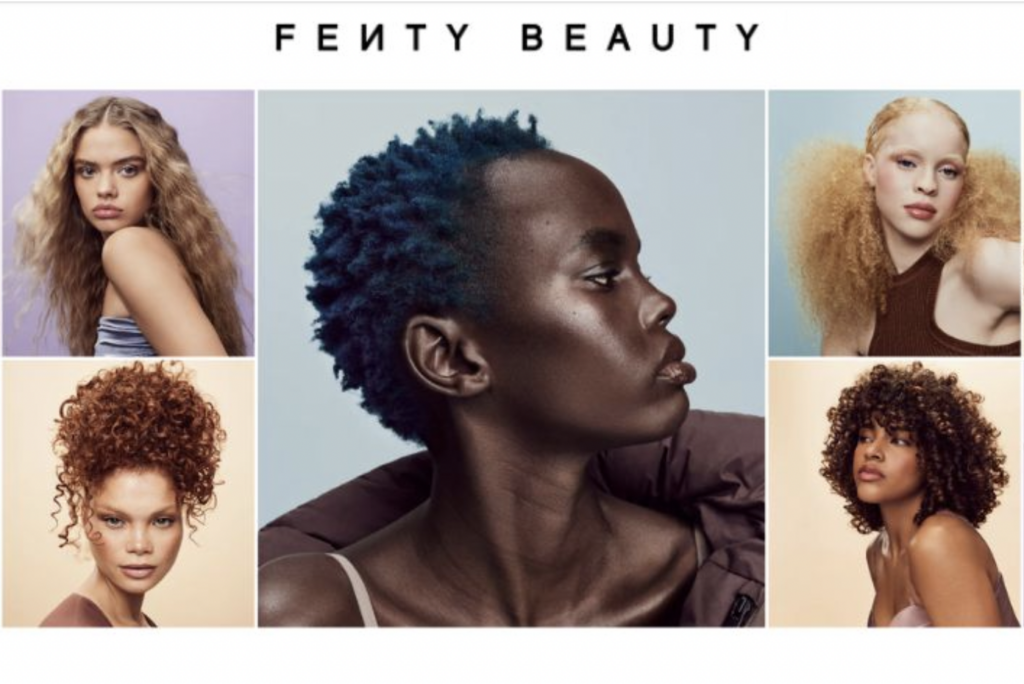
Inclusivity went far beyond a shade match, as the initial advertisement campaign included Caucasian, Black, Hispanic, Asian, and Muslim representation.
Beyond Foundation: Inclusion in Marketing
The strategic messaging throughout the initial launch of the campaign was “beauty for all,” and marketing matched the product’s messaging.
Consumers felt a sense of belonging and safety in the hands of Fenty’s products, allowing for the supply to meet the demand, leading to the overall and ongoing success of the company.
The Influence of Consumer Choice
Everyone deserves representation. Fenty Beauty made it happen. To this day, no one can disregard the impact of what Rihanna and her team did to redefine beauty standards and make diversity a norm.
The next time you walk down a beauty aisle and see representation, not just in shades, but hair textures, religions, and backgrounds, understand that you are redefining cultural norms by purchasing those products.
Change starts with YOU.
AI: The New Face of Beauty: How Inclusion Became the Standard—Not the Exception
A Mirror That Finally Reflects Everyone
For decades, the beauty industry asked millions of people to compromise—mixing foundations, settling for “close enough,” or being excluded entirely. Beauty wasn’t for everyone; it was for those who fit a narrow standard.
That changed in 2017.
When Fenty Beauty launched under Rihanna, it didn’t just introduce products—it introduced a new expectation: that everyone deserves to be seen.
Before Inclusion: When Beauty Had Limits
Not long ago, makeup aisles told a very specific story. Shade ranges were limited, undertones were ignored, and entire communities were left out of the conversation.
Consumers with deeper skin tones, unique undertones, or even very fair complexions often had to buy multiple products just to create a workable match—or worse, go without entirely. This wasn’t just inconvenient; it sent a clear message about who the industry prioritized.
The Turning Point: A Launch That Changed Everything
In 2017, Fenty Beauty entered the market with 40 foundation shades at launch, a number that was virtually unheard of at the time.
But it wasn’t just about quantity—it was about intention.
The brand addressed real diversity in undertones and skin depth, creating options for people who had never found a match before. For many, it was the first time they saw themselves reflected in a global beauty campaign.
This moment sparked what is now widely known as the “Fenty Effect”—a ripple across the industry, forcing brands to expand their shade ranges and rethink their approach to inclusivity.
More Than Makeup: Representation in Every Detail
What truly set Fenty Beauty apart wasn’t just the products—it was the people.
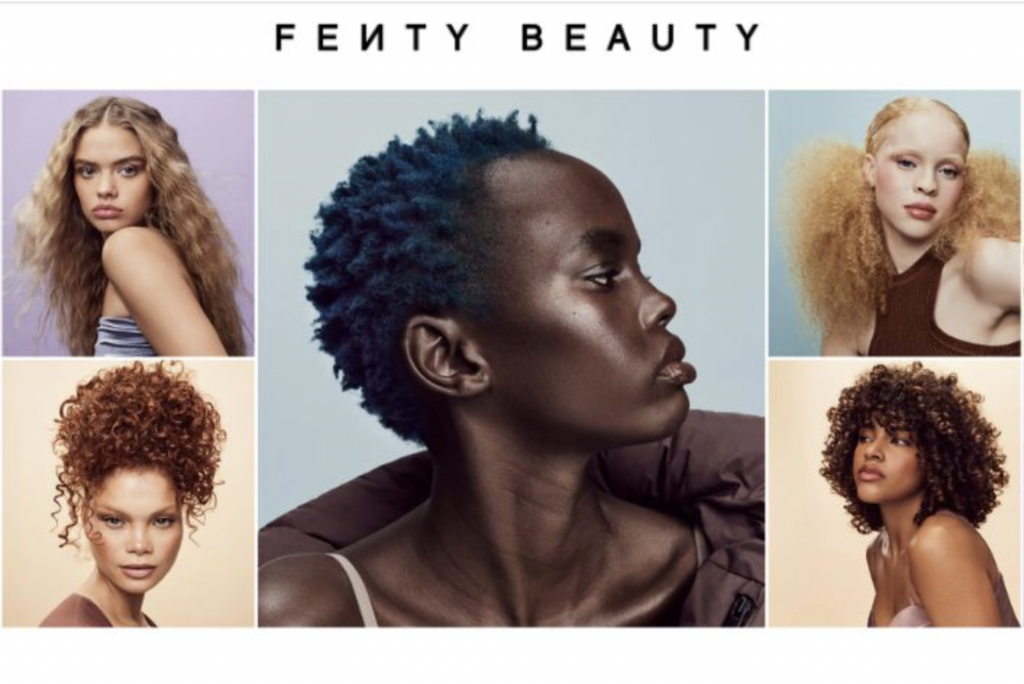
From its very first campaign, the brand showcased models of different races, religions, body types, and identities. Representation wasn’t treated as a trend or a marketing checkbox—it was the foundation of the brand’s identity.
Instead of saying “inclusive,” the messaging showed it. The now-iconic philosophy—“Beauty for All”—was reflected in every image, every product, and every launch.
Why It Worked: Authenticity Over Marketing
Consumers are quick to recognize performative diversity. What made this shift powerful was authenticity.
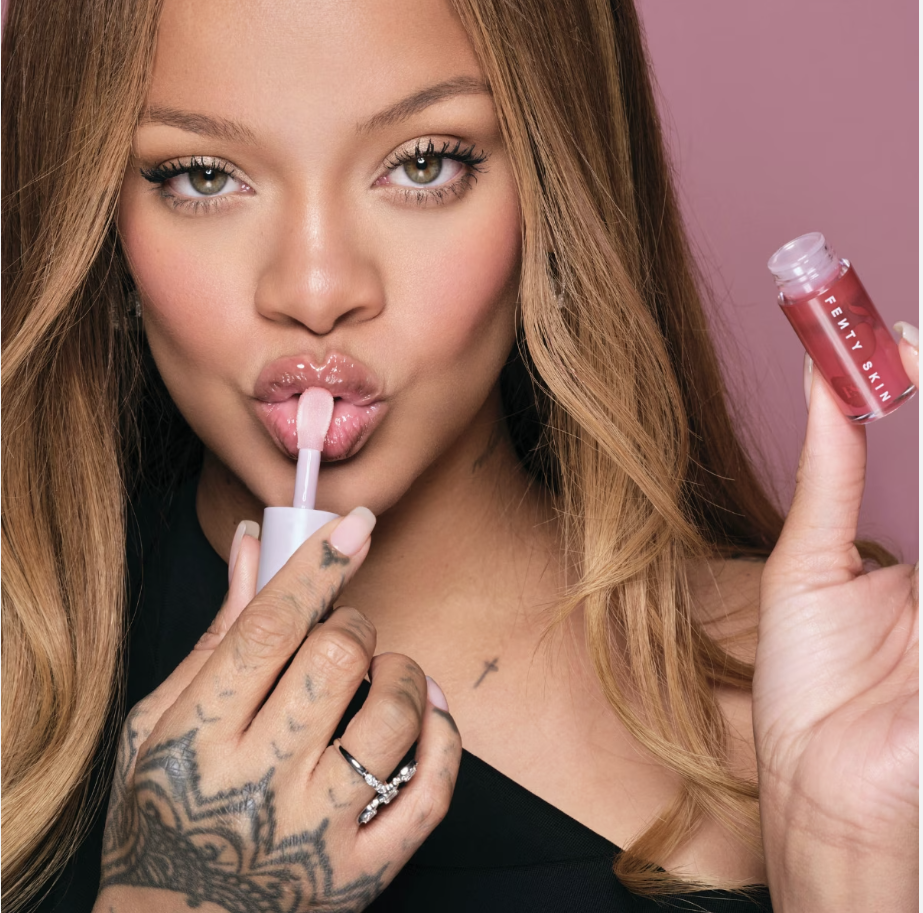
Rihanna built the brand from personal experience—frustrated by the lack of options available for people like her and millions of others.
That authenticity translated into trust. And that trust translated into loyalty.
For the first time, many consumers didn’t feel like an afterthought—they felt like the priority.
The Industry Today: A New Standard
Walk into any beauty store today, and you’ll see the difference:
- Wider shade ranges
- Diverse campaign imagery
- Products designed for multiple skin types and textures
This didn’t happen by accident. It happened because one brand proved that inclusivity isn’t just ethical—it’s essential.
And more importantly, it’s profitable.
The Power of Representation: Why It Still Matters
Inclusion in beauty goes far beyond foundation shades. It’s about:
- Seeing your skin tone accurately represented
- Seeing your culture and identity reflected
- Feeling like you belong in spaces that once excluded you
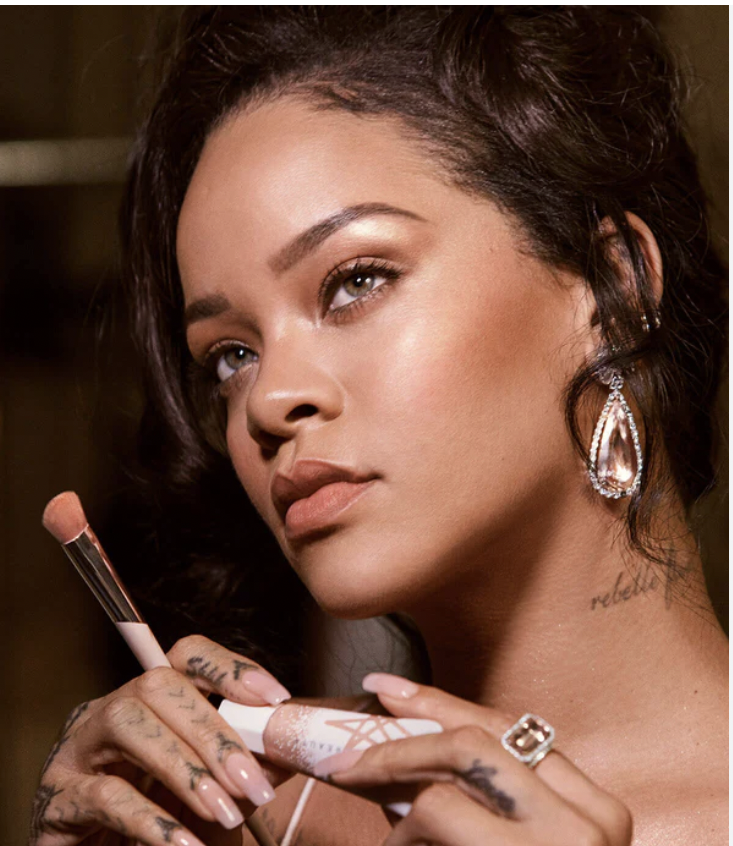
Representation shapes confidence, self-image, and even purchasing behavior. When people feel seen, they engage. When they feel ignored, they disengage.
Beauty Without Boundaries
The beauty industry is no longer what it used to be—and that’s a good thing.
What started as a bold launch has evolved into a cultural shift. Inclusion is no longer revolutionary—it’s required.
But the work isn’t finished.
The next time you walk down a beauty aisle, remember:
Every inclusive product on that shelf exists because someone demanded better.
Now, it’s your turn to keep that momentum going.
Disclaimer:
This is a class assignment.
AI Prompt: I submitted my orginal blog post with the assigned prompt and asked Chatgpt to make it sound more like a blog.
I wrote: “write a blog post, name the target audience, and include a strong headline and subheads throughout it. Make it about inclusion and representatoin like the one I wrote but way better. Here is a link to the Fenty Beauty website”.